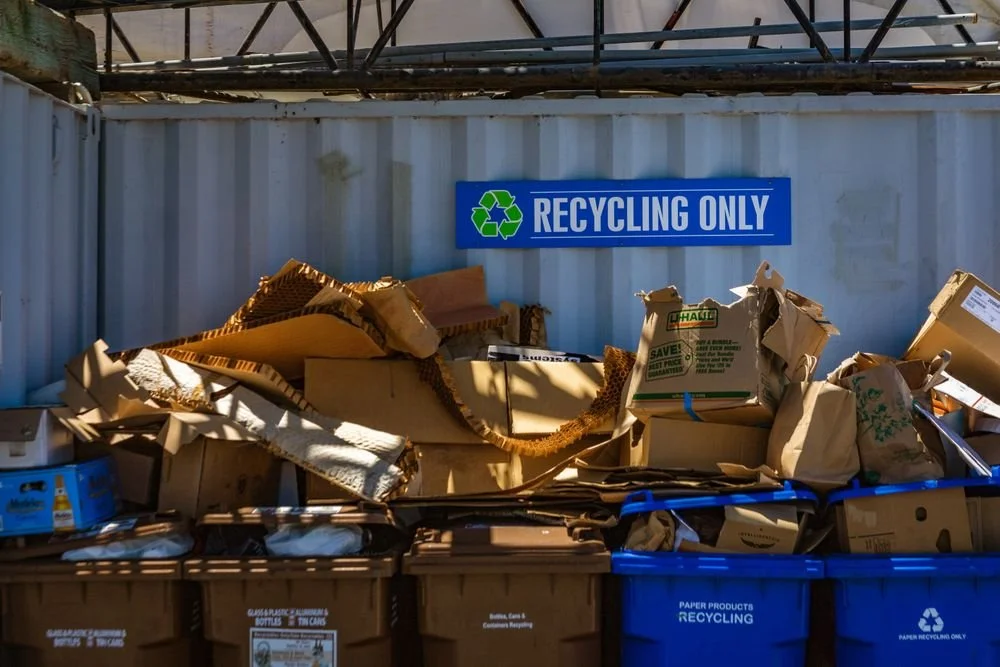
Recycling is the process of collecting and processing discarded materials so they can be used to manufacture new products. Materials such as paper, plastic, glass and metal can re-enter the production cycle instead of being discarded after their initial use.
In Singapore, recycling forms part of the national approach to managing waste and conserving resources. However, not every discarded item belongs in a public recycling bin. Knowing how materials are processed, what can be recycled and when professional waste management is needed helps households and businesses make better disposal decisions.
Why Recycling Matters
Recycling allows materials to be recovered and reused instead of relying entirely on newly extracted resources. The environmental benefits of recycling also depend on proper sorting and the availability of facilities to process recovered materials.
Saves Energy and Resources: Producing goods from recycled materials can require less energy than manufacturing them from virgin resources. For example, recycling aluminium requires approximately 95% less energy than producing primary aluminium.
Reduces Waste: Recovering recyclable materials reduces the waste that requires incineration and final disposal. It also helps conserve raw materials by keeping useful resources in circulation.
The Three Steps of Recycling
Recycling involves several stages, from collecting discarded materials to preparing them for manufacturing. The exact process varies according to the material being recovered.
Collection and Sorting: Recyclables are collected through designated recycling bins and other collection channels. In Singapore, common paper, plastic, glass and metal recyclables deposited in blue bins are sent to materials recovery facilities, where they are sorted by material type.
Processing: Sorted materials undergo the necessary processing to prepare them for reuse in manufacturing. Depending on the material, this can involve shredding, crushing, melting or converting paper into pulp.
Manufacturing: Recovered materials are supplied to manufacturers as raw materials for making new products. The resulting products can then re-enter the supply chain.
How to Recycle the Right Way
Incorrect recycling can contaminate other materials in a collection bin, making recovery more difficult. National Environment Agency's (NEA) Recycle Right guidance encourages households to check what is accepted and keep recyclables free from food and liquid residue.
Follow these steps before placing items in a recycling bin:
Check: Refer to NEA's Recycling Guide to confirm whether an item is accepted in Singapore's public recycling system.
Clean: Empty containers and remove food or liquid residue. Rinse them when necessary, but discard packaging that remains heavily contaminated and cannot be cleaned.
Keep Paper and Cardboard Dry: Prevent moisture and food residue from contaminating paper products. Flatten cardboard boxes before placing them in the recycling bin.
Separate Specialised Waste: Batteries and electronic waste require designated collection channels rather than ordinary blue recycling bins.
Navigating Singapore's Recycling Infrastructure
Singapore's public recycling system handles common household recyclables, but other items may need specialised collection and processing.
Public Recycling Bins
Under the National Recycling Programme, blue recycling bins are provided for HDB estates, private landed properties and participating condominiums and private apartments under the public waste collection scheme.
Accepted paper, plastic, glass and metal items can generally be placed together in these bins. Residents do not need to separate these materials beforehand, as sorting takes place at a materials recovery facility.
However, blue recycling bins are not intended for general rubbish, batteries or every type of discarded product. Checking the accepted-item list helps prevent contamination.
Professional Waste Management
Bulky furniture, mixed-material items and certain appliances may require collection, dismantling or specialised processing before recyclable components can be recovered.
Professional waste management providers can help households and businesses manage these items when they cannot be placed in standard recycling bins. This complements individual recycling efforts in Singapore by addressing waste that requires a different handling process.
Beyond the Bin: Professional Sorting and Dismantling
Furniture, office equipment and appliances often contain different materials that need to be separated before they can be recycled.
At Earth Recycling Services, we sort and dismantle collected items to identify recyclable components that can be recovered for further processing. This helps divert suitable materials from disposal, depending on their condition and the available recycling channels.
Dispose of Unwanted Items Responsibly with Earth Recycling Services
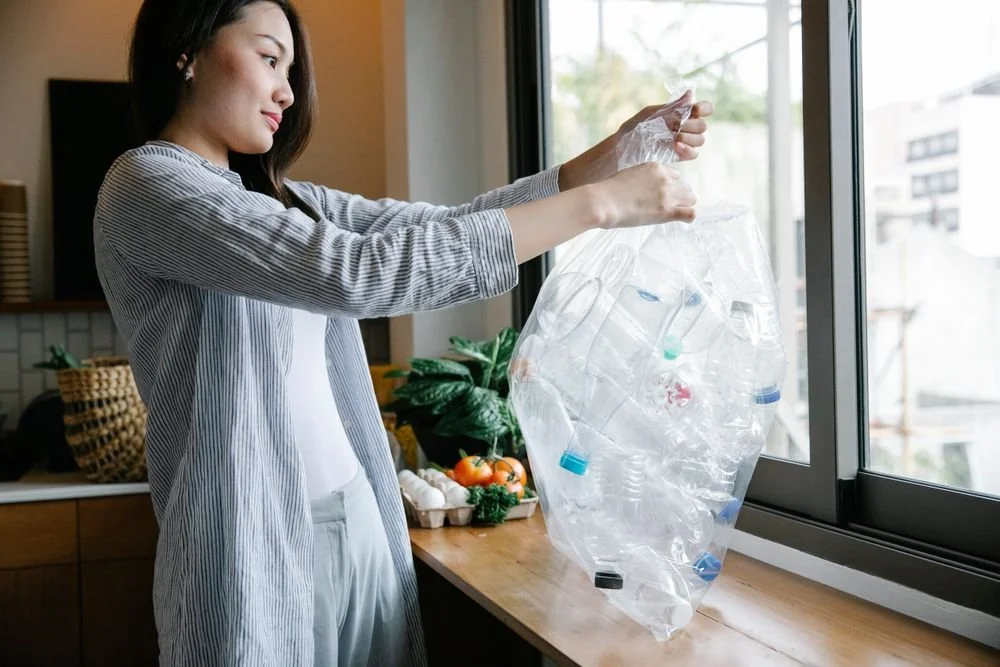
Whether you are looking for post-renovation cleaning services or preparing your office for relocation, Earth Recycling Services can help you manage unwanted items with our furniture disposal service, household junk removal service and office waste disposal services.
To get started, send us photos or videos of the items via WhatsApp or email for a free, no-obligation quotation. Once you approve the quote, we will confirm the collection arrangements.