5 Methods of Waste Disposal in Singapore
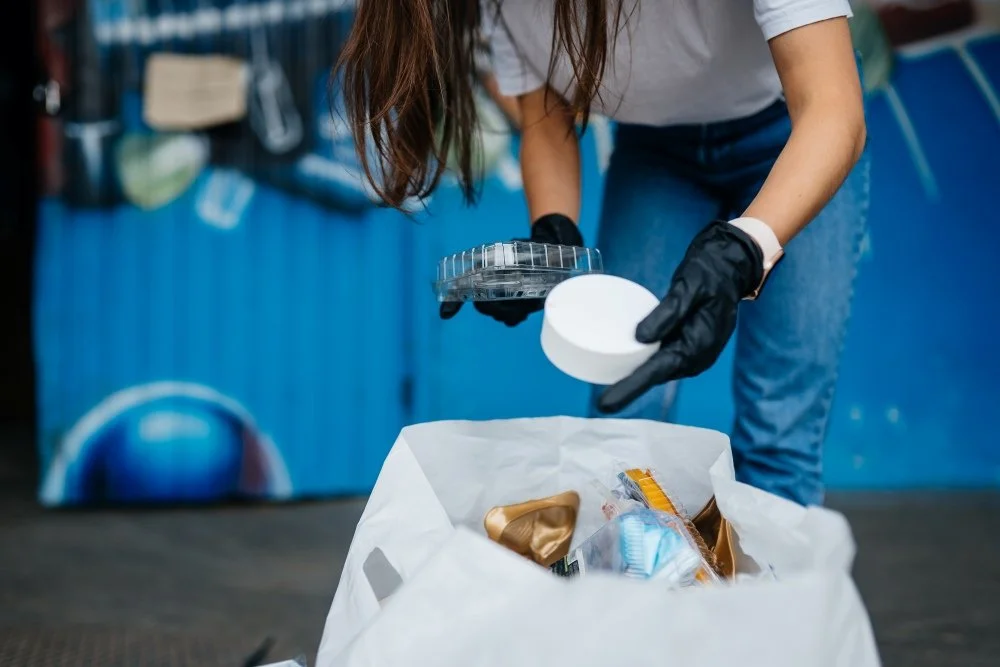
As Singapore continues to grow, so too does the volume of waste produced across households, commercial sectors and industries. While waste generation cannot be eliminated entirely, how it is disposed of makes all the difference.
With land scarcity posing a persistent constraint, responsible waste-disposal systems are indispensable for preventing pollution and protecting public health. As a result, Singapore adopts methods such as sanitary landfill, recycling and composting to manage waste sustainably.
1. Sanitary Landfill
When it comes to disposal of residual waste, Singapore relies on Semakau Landfill, its only sanitary landfill.
Located offshore and purpose-built with robust environmental safeguards, the site primarily receives non-recyclable waste and ash generated from waste-to-energy incineration plants. Since opening in 1999, more than half of its total capacity of 28 million cubic metres has already been utilised, and at the current waste disposal rate, the landfill is expected to reach full capacity by 2035.
Today, approximately 2,100 tonnes of waste are transported to Semakau daily, comprising around 1,500 tonnes of incineration ash and 600 tonnes of non-incinerable waste such as PVC and fibreglass.
To ensure environmental protection, this waste is delivered under controlled conditions, compacted to maximise space efficiency, and sealed with impermeable layers that prevent leachate from entering surrounding marine habitats.
However, as the country relies on a single landfill, space conservation is critical. Therefore, minimising waste generation and strengthening recycling initiatives are national priorities.
2. Recycling
To prevent landfill space from being depleted too quickly, recycling is crucial to waste management.
Recycling efforts in Singapore are channelled through the National Recycling Programme, enabling households and businesses to separate recyclable materials, including paper, plastics, metals, glass and electronic waste. This structured approach ensures that valuable resources are recovered rather than discarded.
Beyond resource recovery, recycling also offers additional benefits, including conserving natural resources, reducing greenhouse gas emissions, and easing the burden on the Semakau Landfill.
To further strengthen the recycling efforts, the Zero Waste Masterplan, introduced in 2019, sets a target of achieving a 70% national recycling rate by 2030. Supported by readily accessible recycling bins in residential areas and professional recycling services for businesses, Singapore continues to advance toward a more sustainable, circular economy.
3. Composting
To reduce food waste sent for incineration, composting is an effective method for the proper disposal of organic waste.
Food scraps and other organic materials from homes, food establishments, landscaping, and agricultural sectors are broken down through controlled biological processes to produce nutrient-rich compost. This compost is then used for soil conditioning, landscaping, and urban farming initiatives, supporting greenery and sustainable food production.
Both on-site treatment systems at commercial and residential premises and large-scale off-site facilities enable effective diversion of organic waste, enhancing the efficiency of the National Environment Agency’s food waste management strategies.
4. Incineration
Incineration is a core method of waste disposal in Singapore, with waste-to-energy (WtE) plants helping to manage the country’s growing volume of solid waste.
Non-recyclable waste collected from homes and businesses is sent to WtE facilities, including TuasOne, Keppel Seghers Tuas, Tuas South, and Senoko plants, where it is combusted under controlled conditions. This process reduces waste volume by up to 90% while recovering energy to generate electricity for the national grid.
Advanced air emission controls minimise environmental impact while maintaining air quality standards. The remaining ash is transported via the Tuas Marine Transfer Station to Semakau Landfill for safe disposal.
5. Plasma Gasification
As Singapore explores next‑generation waste-disposal methods to ease pressure on the Landfill, plasma gasification has emerged as a promising technology.
Through intense heat generated by plasma arcs, waste is broken down into syngas, a mixture of hydrogen and carbon monoxide, and an inert glass‑like slag that can potentially be used in construction applications. This process reduces the volume of waste requiring final disposal and enables energy recovery by converting syngas into electricity or fuel.
Despite its environmental advantages, including lower harmful emissions and minimal toxic residue, plasma gasification requires substantial energy input and capital investment in infrastructure, which can hinder widespread deployment.
Manage Waste Responsibly with Earth Recycling Services
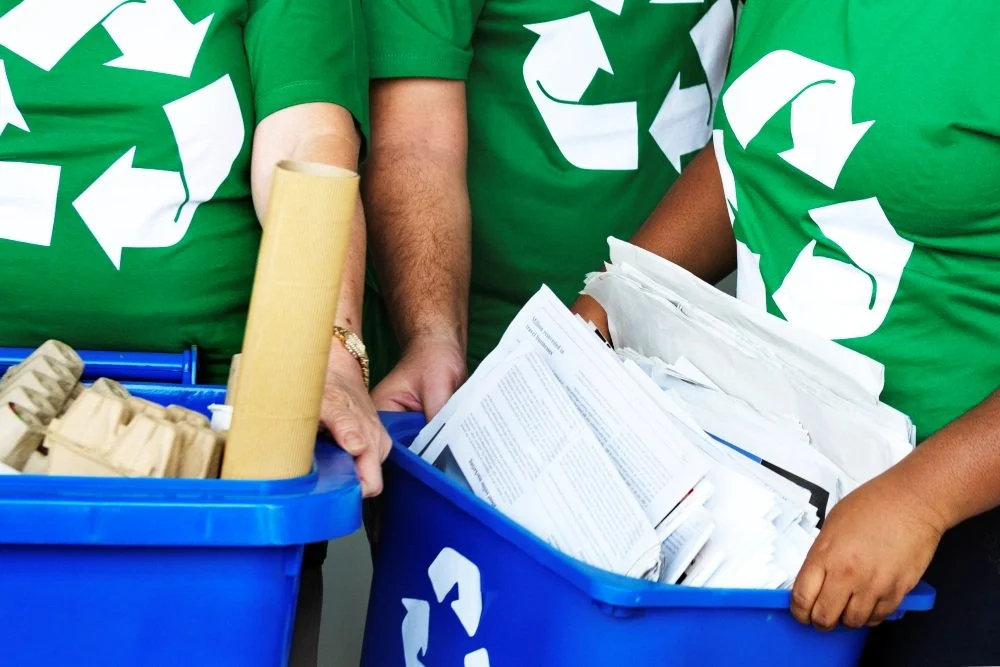
Whether you are handling recyclables, organic waste, or non-recyclable materials, choosing the right type of waste disposal method is essential to reducing environmental impact, conserving resources, and supporting a sustainable future.
This is where Earth Recycling Services comes in. We provide trusted waste disposal services in Singapore for homes and businesses.
From household junk removal and unwanted furniture to light construction debris, our team carefully sorts, recycles, and responsibly disposes of waste items, minimising landfill waste and promoting eco-conscious practices.
Contact Earth Recycling Services today to manage your waste responsibly and support a circular economy.